What Happens If a Pool Isn't Winterized Correctly?
New England winters are hard on swimming pools.
Freezing temperatures, repeated freeze-and-thaw cycles, snow, ice, and months of inactivity can put significant stress on a pool and its equipment.
That's why properly closing and winterizing a swimming pool is more than simply putting on a cover and waiting for spring.
When a pool isn't winterized correctly, problems may develop while the pool is closed—and some of them may not become obvious until the pool is opened again.
Understanding what proper winterization is designed to protect can help pool owners appreciate why the closing process matters.
Why Do Swimming Pools Need to Be Winterized?
Water expands when it freezes.
That simple fact is one of the primary reasons swimming pool systems in Massachusetts and New England require proper winterization.
A swimming pool contains water not only in the pool itself but potentially throughout its circulation system, including plumbing, equipment, fittings, and other components.
If water remains where it should not and freezes, the expansion can place significant pressure on the surrounding material.
Proper winterization is designed to reduce the risk of freeze-related damage and prepare the pool and applicable equipment for months of cold weather.
It cannot guarantee that no winter damage will ever occur, but proper closing procedures can significantly reduce avoidable risks.
What Can Happen If a Pool Isn't Winterized Properly?
The exact consequences depend on the pool, its construction, equipment, plumbing configuration, weather conditions, and what was or wasn't done during closing.
Potential problems can include the following.
1. Pool Plumbing Can Be Damaged by Freezing Water
Pool plumbing is one of the most important areas addressed during winterization.
If water remains in plumbing lines and freezes, it can expand and place pressure on pipes, fittings, connections, and other components.
Depending on where the problem occurs, damage may not be visible from the surface.
In some cases, the first sign of a plumbing problem doesn't appear until spring when the circulation system is restarted.
A pool may lose water, fail to circulate normally, draw air, or show other symptoms that require troubleshooting.
This is one reason proper winterization of pool plumbing is so important in a freezing climate.
2. Pool Equipment Can Be Damaged
Pumps, filters, heaters, and other pool equipment may contain water during normal operation.
If equipment is not properly prepared for freezing conditions, trapped water can potentially contribute to cracked housings, damaged fittings, or other problems.
The appropriate winterization procedure varies depending on the equipment installed.
Pool owners should not assume that simply turning equipment off is the same as properly preparing it for winter.
3. Skimmers and Other Pool Components Can Be Vulnerable
Skimmers, returns, fittings, and other components can also be affected by winter conditions.
Ice movement and freezing water can create forces that aren't present during the swimming season.
Proper pool closing takes these components into consideration rather than focusing only on the pump and filter.
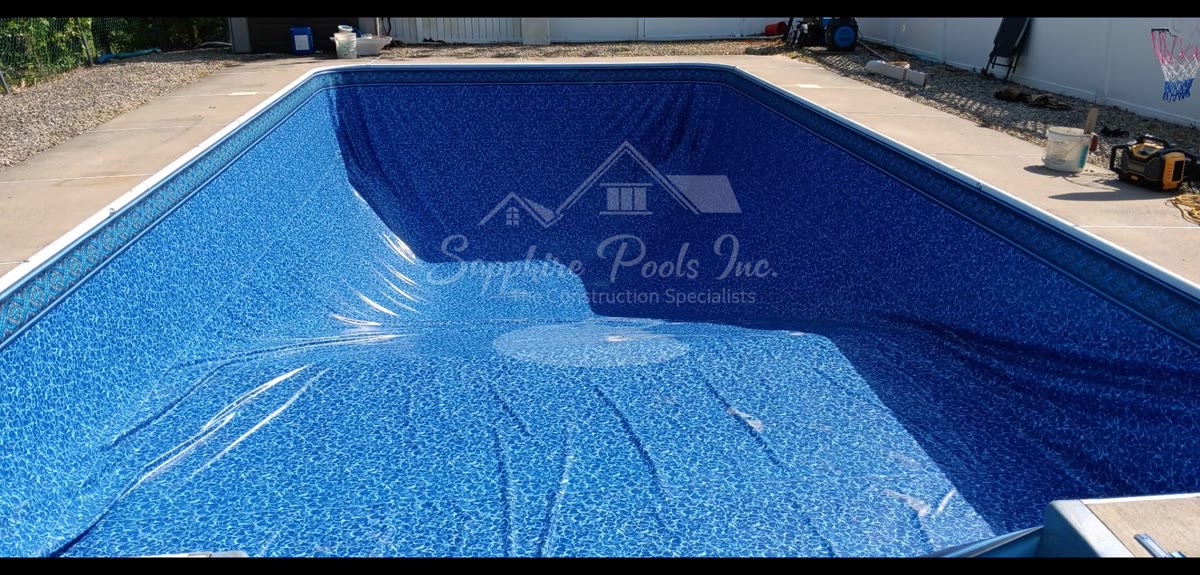
4. A Vinyl Liner Can Develop Winter-Related Problems
Vinyl-lined pools have their own winter considerations.
The pool water helps support the liner and contributes to the stability of the pool system. Improper water levels, existing liner problems, water getting behind the liner, or other winter conditions can create complications.
A vinyl-lined swimming pool generally should not be drained simply because it is being closed for winter.
Draining a vinyl-lined pool without professional guidance can create serious liner and structural problems.
If you are uncertain about the appropriate winter water level for your particular pool, ask an experienced pool professional.
5. Pool Covers Can Create Problems When They Aren't Managed Properly
Different pool covers work differently, and their winter maintenance requirements can vary.
Snow, ice, rainwater, debris, and changing weather conditions can affect a pool cover throughout the winter.
A cover should be installed and maintained according to its type and the pool configuration.
Pool owners should periodically observe the pool area during the winter rather than assuming that nothing needs attention until spring.
Do not walk onto a frozen or snow-covered pool cover unless the specific cover is designed and rated for that purpose and its manufacturer permits it.
6. Small Problems Can Become Spring Surprises
One of the frustrating things about winter pool damage is that you may not know it happened when it happened.
A damaged fitting, plumbing issue, equipment problem, liner concern, or other condition may remain hidden for months.
Then spring arrives.
The pool is opened, the equipment is started, and suddenly something isn't working correctly—or the pool begins losing water.
That doesn't necessarily mean the opening process caused the problem.
Sometimes opening the pool simply reveals damage or deterioration that occurred while the pool was closed.
What Happens If Water Freezes in Pool Plumbing?
Freezing water expands.
If enough water remains trapped inside a confined plumbing line or component, that expansion can create significant internal pressure.
Whether damage actually occurs depends on numerous factors, including how much water is present, where it is trapped, the plumbing material, fittings, temperatures, and duration of freezing conditions.
This is why winterization focuses on properly preparing plumbing rather than simply lowering the pool water and shutting off the equipment.
Can Pool Equipment Freeze and Crack?
It can.
Equipment that contains trapped water may be vulnerable when temperatures drop below freezing.
Pumps, filters, heaters, valves, and associated fittings all have different designs and winterization requirements.
If you discover a cracked or leaking component in spring, avoid operating equipment if doing so could worsen the problem.
Have the system evaluated before continuing operation when necessary.
Can Improper Winterization Cause a Pool Leak?
Potentially.
Winter conditions can contribute to damage involving plumbing, fittings, equipment, liners, or other pool components.
If the pool water level is unexpectedly low when the cover is removed—or begins dropping after opening—it is worth investigating rather than simply continuing to add water.
Sapphire Pools' guide, Why Is My Pool Losing Water? A Troubleshooting Guide, explains several common sources of pool water loss and what homeowners can safely observe before requesting professional troubleshooting.
When Should You Close a Pool in Massachusetts?
There isn't one calendar date that is right for every pool.
Closing too early can create its own maintenance challenges, while waiting too long can leave the pool vulnerable to cold weather and make scheduling more difficult.
Weather patterns, water temperature, pool condition, equipment, surrounding trees, and the homeowner's use of the pool can all affect timing.
In Massachusetts, the goal is to close the pool before sustained freezing conditions create unnecessary risk while avoiding an unnecessarily early closing.
Because fall weather can change quickly, pool owners should plan their closing in advance rather than waiting for the first hard freeze to schedule service.
Is Professional Pool Closing Worth It?
For many homeowners, yes.
Proper pool closing involves understanding the circulation system, plumbing, equipment, pool construction, fittings, winter water management, and other components.
An experienced pool professional also knows that different pools and equipment configurations may require different procedures.
The objective isn't simply to make the pool look closed.
The objective is to prepare the pool appropriately for months of New England winter conditions and help reduce the risk of preventable damage.
Can I Winterize My Pool Myself?
Some experienced pool owners choose to handle their own seasonal maintenance.
However, winterization mistakes can be expensive, particularly when they involve plumbing or equipment.
If you aren't completely comfortable with your pool's plumbing configuration, equipment, winterization requirements, or appropriate water level, professional closing is worth considering.
Do not attempt procedures involving pressurized equipment, electrical components, gas equipment, or other systems unless you are qualified to do so.
What Should I Do If I Think My Pool Was Closed Incorrectly?
If you suspect something wasn't winterized properly, don't automatically start disassembling equipment or changing the pool water level.
What makes sense depends on the time of year, weather conditions, pool type, and suspected problem.
If the pool is already closed and freezing weather is approaching or has arrived, contact a pool professional promptly.
If the concern is discovered in spring, have questionable components evaluated before operating equipment that may be damaged.
Professional Pool Closing in Central Massachusetts
Sapphire Pools provides professional pool closing and winterization services in Central Massachusetts.
We close and winterize:
- Vinyl-lined swimming pools
- Fiberglass swimming pools
- Gunite/concrete swimming pools
Our experience comes from decades of hands-on work with swimming pools, plumbing, equipment, and seasonal pool care in New England conditions.
Sapphire specializes in the installation of above-ground and in-ground vinyl-lined swimming pools. We do not install fiberglass or gunite/concrete pools, but we can provide professional opening, closing/winterization, inspection, and applicable service for those pool types where the service and geographic location fall within our capabilities.
Prepare Your Pool Before Winter Arrives
Winter pool problems are much easier to prevent than discover in the spring.
Proper winterization helps reduce the risk of freeze-related damage and prepares your pool and equipment for the months ahead.
If you're in Central Massachusetts and want professional help preparing your pool for winter, contact Sapphire Pools before the closing schedule fills.
If you notice unexpected water loss after opening your pool in spring, professional troubleshooting can help identify the source.
Schedule your professional pool closing with Sapphire Pools.
Sapphire Pools Inc.
Professional pool closing and winterization services in Central Massachusetts.
Technical content reviewed by Sapphire Pools Inc.